

How to wash a car with PPF or ceramic coating after a desert dust storm starts with one rule: do not rub dry dust across the vehicle. Fine sand and grit may look harmless sitting on the hood, roof, glass, or paint protection film, but dragging that material across the surface with a dry towel can leave marks.
Drivers in Lancaster, CA, Palmdale, CA, Quartz Hill, CA, and surrounding Antelope Valley communities are familiar with dusty conditions. Wind can leave a car looking coated in a thin layer of tan or gray powder even when it was clean earlier that day.
Paint protection film and ceramic coating can make exterior care easier, but neither one turns a vehicle into a surface that can be wiped carelessly.
California Car Pros provides Paint Protection Film, Ceramic Coating, and Auto Detailing for drivers throughout the Antelope Valley.
If your coated or PPF-covered vehicle just went through a desert dust storm, follow a wash process that removes loose grit before your wash mitt ever touches the surface.
Table of Contents
- Why Desert Dust Needs a Different Wash Approach
- Do Not Wipe Desert Dust Off a Dry Car
- Step 1: Let the Vehicle Cool Down
- Step 2: Rinse Off as Much Dust as Possible
- Step 3: Use a Gentle Pre-Wash
- Step 4: Hand Wash From the Top Down
- Step 5: Treat PPF Edges Carefully
- Step 6: Rinse the Vehicle Thoroughly
- Step 7: Dry Without Dragging Grit
- What to Do About Water Spots
- Washing PPF After a Dust Storm
- Washing Ceramic Coating After a Dust Storm
- What If the Vehicle Has Both PPF and Ceramic Coating?
- Products and Wash Methods to Avoid
- What If Dust Is Packed Into Seams and Trim?
- When to Call a Detailer Instead
- Post-Dust-Storm Wash Checklist
- PPF and Ceramic Coating Wash FAQs
Why Desert Dust Needs a Different Wash Approach
A normal layer of road film and a thick layer of windblown desert dust are not quite the same cleaning job.
Dust can contain fine mineral particles and grit.
When those particles sit loosely on the vehicle, the safest first move is to remove as much of them as possible without rubbing.
That means rinsing comes before hand washing.
Gtechniq recommends thoroughly rinsing a ceramic-coated vehicle with clean water before hand washing to remove loose surface contamination. The company also recommends a pH-neutral wash and soft microfiber wash media.
XPEL gives similar care directions for paint protection film, recommending hand washing with a soft microfiber mitt, thorough rinsing, and microfiber drying.
The same principles make sense after a desert dust storm.
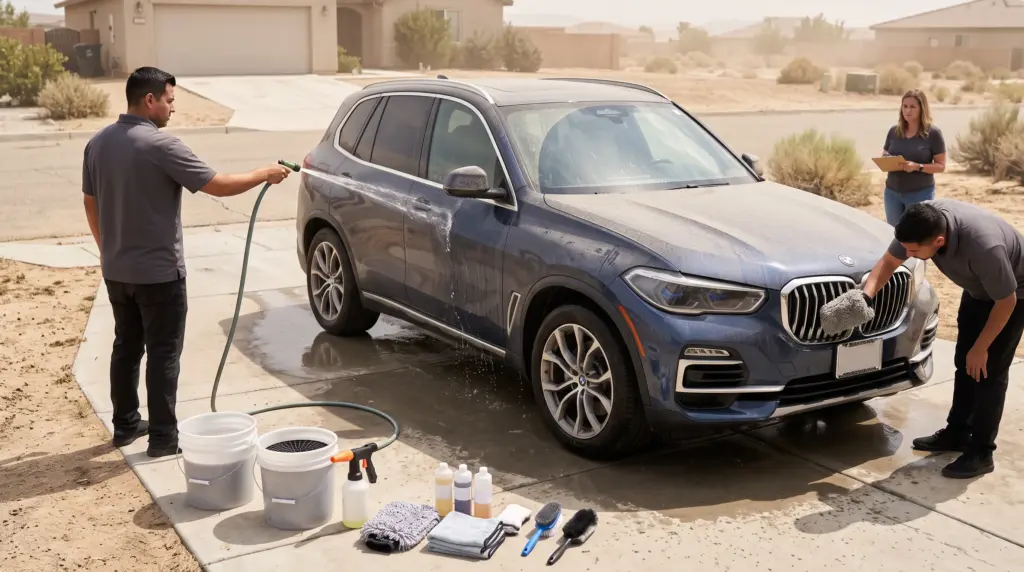
Your goal is to reduce the amount of loose material on the car before physical contact begins.
Do Not Wipe Desert Dust Off a Dry Car
A dusty hood can tempt you to grab a microfiber towel and wipe a clean section through it.
Skip that approach.
Dry wiping can drag gritty particles across:
- Paint
- PPF
- Ceramic-coated paint
- Gloss black trim
- Headlights
- Taillights
- Vinyl wrap
PPF may help shield the paint underneath, but the film itself can still show marks from poor washing.
Ceramic coating can make dirt release more easily, but it does not make the coated surface immune to wash scratches.
If the vehicle is dusty, rinse first.
If water is not available, it is usually better to leave the dust alone until you can wash the vehicle correctly rather than rubbing the surface dry.
Step 1: Let the Vehicle Cool Down
Do not start your wash while the vehicle is sitting hot in direct sun.
Move it into shade when possible and allow hot panels to cool.
This is useful for several reasons.
Soap and cleaners can dry too quickly on hot surfaces.
Water can also evaporate faster, which can leave mineral deposits behind.
Gtechniq recommends washing coated vehicles on a cool surface and out of direct sunlight.
XPEL gives similar guidance for its protected surfaces.
In Lancaster, CA and Palmdale, CA, afternoon sun can heat body panels quickly, so an early morning or shaded wash can make the process easier.
Step 2: Rinse Off as Much Dust as Possible
Start with a long, thorough rinse.
Do not rush this stage.
Use clean water to remove as much loose dust, sand, and grit as possible before touching the vehicle.
Work across:
- Roof
- Glass
- Hood
- Trunk or liftgate
- Doors
- Fenders
- Bumpers
- Rocker panels
- Wheels
- Wheel wells
Start high and allow the water to carry dust downward.
Pay extra attention to horizontal panels because they can collect a large amount of settled dust.
You may need more than one pass.
The vehicle does not need to look perfectly clean yet.
At this stage, you are trying to get loose contamination off the surface before using a wash mitt.
What About a Pressure Washer?
A pressure washer can help remove loose dust, but PPF edges need care.
XPEL recommends keeping a pressure washer nozzle about 36 inches away from its film and avoiding direct high-pressure spraying at film edges.
If you do not know where your PPF edges are located, ask your installer.
Avoid placing a pressure nozzle close to:
- Hood film edges
- Fender edges
- Bumper seams
- Mirror film edges
- Rocker-panel film edges
You want the water moving dirt away, not forcing water under the film.
Step 3: Use a Gentle Pre-Wash
After the first rinse, a gentle pre-wash can loosen remaining grime before the hand-wash stage.
The goal is to reduce how much material the wash mitt needs to remove.
Use a wash product suited to PPF or ceramic coating.
For ceramic-coated vehicles, Gtechniq recommends pH-neutral car wash soap rather than harsh acidic cleaners.
XPEL also sells non-stripping wash soap designed for PPF and ceramic coating.
Follow the directions for the wash product you select.
Do not allow soap or pre-wash chemicals to dry on the surface.
If you are unsure whether a cleaner is compatible with your California Car Pro PPF or Ceramic Coating, call California Car Pros at (661) 744-5533 before applying it.
Step 4: Hand Wash From the Top Down
Once loose dust has been rinsed away, begin the contact wash.
A two-bucket wash method works well.
Use:
- One bucket with wash solution
- One bucket with clean rinse water
- Grit guards when available
- A clean microfiber wash mitt
- Clean microfiber drying towels
Wash from the top of the vehicle toward the bottom.
A reasonable order is:
- Roof
- Glass
- Hood
- Trunk or liftgate
- Upper doors
- Fenders
- Lower doors
- Bumpers
- Rocker panels
The lower sections are often dirtier, so leave them until later.
Rinse the wash mitt frequently.
If the mitt becomes visibly dirty, replace it with a clean one.
Do not keep rubbing contaminated wash media across the vehicle.
Use Straight Passes
Gentle straight passes can help limit unnecessary rubbing.
Do not grind the wash mitt into the surface.
Let the wash soap and wet mitt do the work.
If a section remains dirty after a gentle pass, rinse it and clean it again rather than increasing pressure.
Step 5: Treat PPF Edges Carefully
Paint protection film may have visible or wrapped edges depending on the panel and installation.
When washing PPF after a desert dust storm, avoid aggressive brushing or pressure around those areas.
3M recommends hand washing its PPF and warns against rough scrubbing or abrasive tools.
XPEL also warns against directing high-pressure water at film edges because doing so can cause lifting or damage.
Around an exposed PPF edge:
- Wash gently
- Avoid picking at the film
- Avoid aggressive pressure washing
- Do not scrub the edge with a stiff brush
- Do not pull on an edge that appears loose
If you notice lifting, contact your installer.
California Car Pros can inspect PPF concerns at its Lancaster, CA location or Palmdale, CA location.
Step 6: Rinse the Vehicle Thoroughly
Once the contact wash is finished, rinse away all remaining soap.
Check areas where suds can hide:
- Mirror housings
- Door handles
- Window trim
- Grilles
- Badges
- Fuel or charging doors
- Spoilers
- Bumper seams
- Panel gaps
Soap left in a seam can drip onto a freshly dried panel later.
A thorough final rinse also gives you a chance to see how the protected surface behaves.
Ceramic-coated areas may show strong water beading or sheeting when the coating is clean.
If water behavior seems weaker than normal after a dust storm, contamination may still be present on the coating.
Do not assume the coating has failed after one dirty drive.
Wash the surface correctly first.
Step 7: Dry Without Dragging Grit
Do not leave the vehicle wet and walk away.
Tap water can contain minerals that remain on the surface after water evaporates.
XPEL recommends drying protected surfaces completely with a clean, soft microfiber towel or air blower rather than allowing water to evaporate on its own.
Gtechniq also recommends microfiber drying or air drying with a blower after washing a ceramic-coated car.
Air Blower
An automotive air blower can reduce physical contact with the vehicle.
It is useful around:
- Mirrors
- Grilles
- PPF edges
- Badges
- Trim
- Door handles
- Panel gaps
Microfiber Drying Towel
If using a towel, choose a clean, soft microfiber drying towel.
Do not use the same towel that was used on:
- Wheels
- Tires
- Door jambs
- Engine areas
- Dirty lower body sections
If the towel touches the ground, switch to another clean towel.
What to Do About Water Spots
Desert-area washing can create another problem: water spotting.
If water dries quickly on hot paint, PPF, or coating, minerals may remain behind.
That is another reason to:
- Wash in shade
- Work on cool panels
- Rinse thoroughly
- Dry promptly
Do not attack a water spot with abrasive polish unless you know the product is safe for the surface.
A ceramic-coated panel, PPF-covered panel, and bare painted panel may call for different treatment.
If spotting does not come off through normal washing, contact the installer before trying aggressive chemicals.
Washing PPF After a Dust Storm
PPF gives paint a physical protective layer, but the film still needs thoughtful care.
3M recommends hand washing PPF when possible and using a touchless wash rather than a brush wash when hand washing is not available.
XPEL also recommends hand washing its film with soft microfiber wash media.
For a dusty PPF-covered vehicle:
- Cool the vehicle.
- Rinse loose dust thoroughly.
- Apply compatible wash soap.
- Use clean microfiber wash media.
- Work from cleaner upper areas toward dirtier lower areas.
- Rinse completely.
- Dry with clean microfiber or air.
- Inspect film edges afterward.
Do not use abrasive pads to attack stubborn dirt.
If tree sap, bug residue, or another contaminant remains, use a film-compatible cleaning method rather than scrubbing harder.
Washing Ceramic Coating After a Dust Storm
A ceramic coating can make desert-dust cleanup easier because the coated surface is designed to resist contamination and show water-repelling behavior.
The wash still needs to be gentle.
Gtechniq recommends:
- Thorough pre-rinsing
- pH-neutral wash soap
- Clean wash mitts
- Two-bucket washing
- Clean-water rinsing
- Microfiber or air drying
Avoid assuming strong chemicals are better because the vehicle is very dirty.
A harsh cleaner can work against the coating system or leave residue.
Start with the least aggressive method suited to the contamination.
If the vehicle is still not clean, ask your coating installer about the next step.
What If the Vehicle Has Both PPF and Ceramic Coating?
Many vehicles have PPF on impact-prone areas and ceramic coating over compatible exterior surfaces.
Your car might have PPF on the:
- Front bumper
- Hood
- Front fenders
- Mirrors
- Headlights
while ceramic coating covers other areas.
Some vehicles may also have compatible ceramic coating applied over the PPF itself.
When washing a vehicle with both:
- Follow the care requirements for both products
- Avoid abrasive scrubbing
- Protect exposed PPF edges from high pressure
- Use a gentle wash soap
- Dry completely
- Ask the installer before using strong contamination removers
California Car Pros offers both PPF and Ceramic Coating, so the team can tell you how to care for the exact products installed on your vehicle.
Products and Wash Methods to Avoid
A desert dust storm can make you want to clean the vehicle aggressively.
That can create more problems.
Avoid:
Dry Dusting
Do not wipe a layer of dry desert dust with a towel.
Rinse it first.
Stiff Brushes
Stiff or dirty brushes can leave marks on paint, film, and coated surfaces.
Abrasive Pads
3M advises against abrasive tools on PPF.
Brush-Style Automatic Car Washes
3M warns that brush washes can dull or scratch film and may lift edges.
Household Cleaning Products
Household cleaners are not automatically suitable for automotive PPF or ceramic coating.
Use products intended for the surface you are cleaning.
Strong Chemicals Without Checking Compatibility
Do not assume a stronger cleaner is harmless because PPF or coating is present.
Check product directions or ask the installer.
Washing Hot Panels in Direct Sun
Soap and water can dry too quickly on a hot vehicle, leaving streaking or mineral spots.
What If Dust Is Packed Into Seams and Trim?
After a strong dust event, grit can settle in places a normal wash does not fully reach.
Look around:
- Emblems
- Door handles
- Fuel doors
- Charging ports
- Window trim
- Mirror bases
- Spoilers
- Grilles
- Panel gaps
- PPF seams
- Lower rocker areas
Do not force dirty brushes into these spots.
A controlled rinse can remove a surprising amount of loose material.
An air blower after rinsing can also help push clean water from seams and gaps.
If packed contamination remains around a PPF edge, avoid digging at it with a sharp object.
Have the area cleaned correctly rather than risking damage to the film.
When to Call a Detailer Instead
Some dust-storm cleanup jobs go beyond a routine driveway wash.
Consider professional Auto Detailing if:
- The car has been sitting dusty for weeks
- Dust is packed into trim and seams
- Heavy water spots are present
- Tree sap is mixed with dust
- Bird residue has dried onto the surface
- You are unsure which cleaner is safe for the coating
- PPF edges appear loose
- The coating no longer seems to clean normally
- The vehicle has heavy contamination after repeated storms
Do not keep increasing chemical strength or scrubbing pressure if normal washing is not working.
California Car Pros can inspect the vehicle and determine whether it needs detailing, PPF attention, coating care, or another service.
Post-Dust-Storm Wash Checklist
Use this checklist after an Antelope Valley dust storm:
- Park the vehicle in shade.
- Let hot panels cool.
- Do not dry-wipe the dust.
- Rinse loose grit thoroughly.
- Apply a PPF or coating-safe wash product.
- Wash with clean microfiber from the top down.
- Rinse the mitt frequently.
- Treat exposed PPF edges gently.
- Rinse all soap from seams and trim.
- Dry with clean microfiber or an air blower.
- Remove remaining bugs or spots with compatible products.
- Inspect PPF edges.
- Check the coating’s water behavior after the surface is clean.
- Contact the installer if contamination or film problems remain.
PPF and Ceramic Coating Care in the Antelope Valley
California Car Pros serves drivers throughout Lancaster, CA, Palmdale, CA, Quartz Hill, CA, and nearby Antelope Valley communities.
Our Lancaster shop is located at:
California Car Pros
43235 Gingham Ave #108
Lancaster, CA 93535
Phone: (661) 744-5533
Visit our Lancaster, CA location page for more information.
Drivers closer to Palmdale, CA can also review our Palmdale, CA location.
California Car Pros provides:
If a desert dust storm has left your vehicle coated in grit, resist the urge to wipe it down dry.
Rinse first, wash gently, and dry carefully.
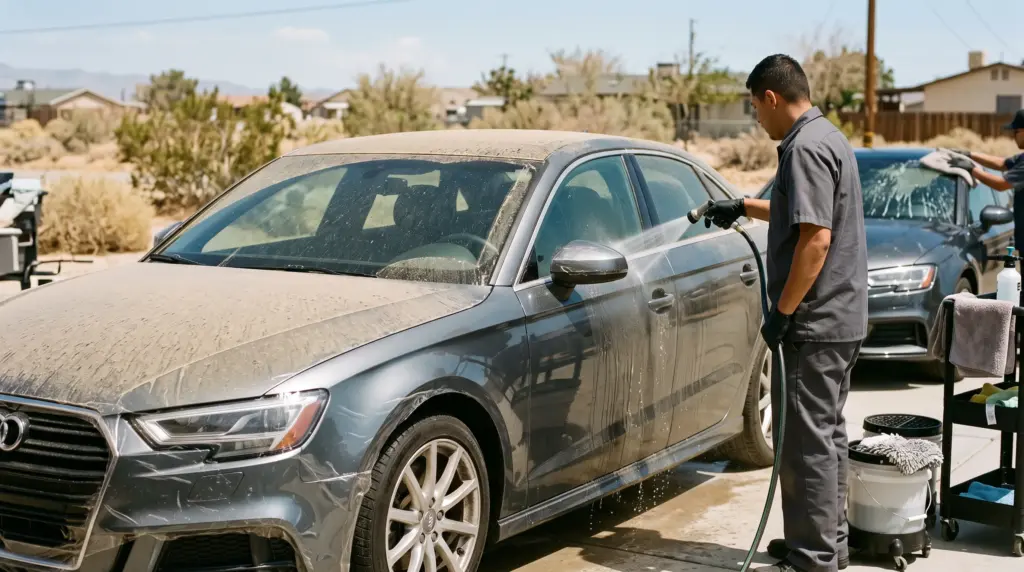
If you have questions about caring for California Car Pro PPF or Ceramic Coating, call (661) 744-5533 or use the California Car Pros contact page to schedule an appointment.
PPF and Ceramic Coating Wash FAQs
1. Can I wipe desert dust off my PPF with a microfiber towel?
It is better to rinse loose dust and grit away before wiping the surface. A dry towel can drag mineral particles across the film and leave marks. Start with plenty of clean water before using wash media.
2. How should I wash a ceramic-coated car after a dust storm?
Let the car cool, rinse loose dust thoroughly, wash with a compatible pH-neutral soap and clean microfiber mitt, rinse again, and dry with clean microfiber or an air blower. Gtechniq recommends pre-rinsing before the contact wash on ceramic-coated vehicles.
3. Can I pressure wash PPF after a dust storm?
A pressure washer can be used carefully, but do not place the nozzle close to PPF edges. XPEL recommends keeping its pressure-washer nozzle about 36 inches from the surface and avoiding direct pressure at film edges.
4. Can I take a PPF-covered car through an automatic car wash?
3M recommends hand washing PPF when possible. If a car wash must be used, 3M recommends a touchless wash rather than a brush wash because brushes may scratch the film or lift edges.
5. Why should I dry a ceramic-coated or PPF-covered car after washing?
Allowing tap water to evaporate can leave mineral deposits and water spots. XPEL recommends completely drying protected surfaces with soft microfiber or an air blower after washing.
6. What if my ceramic coating does not bead water after a dust storm?
Heavy contamination can interfere with the way water behaves on a coated surface. Wash the vehicle thoroughly first. If the coating still behaves differently after proper cleaning, ask the installer to inspect it before trying aggressive cleaners or polishing products.
7. Where can I get PPF or ceramic coating care in the Antelope Valley?
California Car Pros provides PPF, ceramic coating, and detailing services for drivers in Lancaster, CA, Palmdale, CA, Quartz Hill, CA, and nearby communities. Call (661) 744-5533 or visit the contact page to discuss cleaning, maintenance, or an inspection.
Sources
- 3M Product Care Guide for Paint Protection Film
Publisher: 3M
Publication Date: No publication date listed - XPEL Product Care Instructions
Publisher: XPEL
Publication Date: No publication date listed - How to Wash a Ceramic Coated Car
Publisher: Gtechniq
Publication Date: April 22, 2025 - How to Maintain a Ceramic Coating
Publisher: Gtechniq
Publication Date: July 19, 2024 - California Car Pros Paint Protection Film
Publisher: California Car Pros
Publication Date: No publication date listed - California Car Pros Ceramic Coating
Publisher: California Car Pros
Publication Date: No publication date listed - California Car Pros Auto Detailing
Publisher: California Car Pros
Publication Date: No publication date listed - California Car Pros Contact Page
Publisher: California Car Pros
Publication Date: No publication date listed
Transform Your Car's Appearance: Color Change Wraps in Palmdale, CA
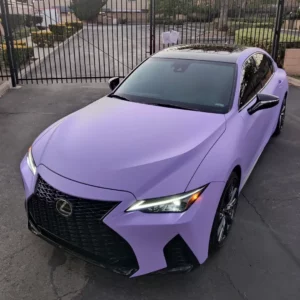
Give your vehicle a fresh, new look with color change wraps from California Car Pros in Palmdale, CA. Discover how our custom wraps can transform your car's appearance while protecting its original paint.
Product Brand: Car Pros
5
Pros
- Give your vehicle a fresh, new look with color change wraps from California Car Pros in Palmdale, CA. Discover how our custom wraps can transform your car's appearance while protecting its original paint.
