

Windshield Tint & Sun Strips in California are controlled by California Vehicle Code Section 26708, and the rules are more specific than simply saying a strip can cover a certain number of inches. As of January 1, 2026, California law permits qualifying transparent material along the topmost portion of a windshield when it meets placement, color, lettering, and reflectivity requirements. Full-windshield film follows a much narrower set of rules.
For drivers in Lancaster, CA, Palmdale, CA, and the surrounding Antelope Valley, windshield film can be attractive because of strong sunlight, glare, and cabin heat. California Car Pros currently offers ceramic glare strips and ceramic windshield film as window tint add-ons, but the installation still has to fit the law that applies to the vehicle and driver.
California Car Pros provides professional window tint from shops in Lancaster, CA and Palmdale, CA. If you are considering a windshield strip or other automotive film, call (661) 744-5533 or use the California Car Pros contact page to discuss your vehicle.
Table of Contents
- What Does California Law Say About Windshield Tint?
- Are Sun Strips Legal in California?
- How Far Down Can a California Sun Strip Go?
- Is There a Four-Inch Windshield Tint Rule?
- What Colors Are Legal for a Windshield Sun Strip?
- Can a Sun Strip Have Lettering?
- Can a Windshield Sun Strip Be Reflective?
- Is Full Windshield Tint Legal in California?
- California Medical Exception for Full Windshield Film
- What Does 88 Percent VLT Mean?
- Does Clear Ceramic Windshield Film Automatically Make It Legal?
- Why Windshield Glare Strips Are Popular in the Antelope Valley
- Sun Strip vs Full Windshield Film
- What About Windshield Stickers and Devices?
- What Happens If Film Bubbles or Blocks Your View?
- Choosing a Legal Windshield Tint Setup
- Schedule Window Tint in Lancaster or Palmdale
- Frequently Asked Questions
- Sources
What Does California Law Say About Windshield Tint?
Windshield Tint & Sun Strips in California are covered mainly by California Vehicle Code Section 26708.
The law starts with a broad rule.
A driver generally may not operate a vehicle with an object or material placed, installed, or applied on the windshield when it falls outside one of the listed exceptions.
The same section also bars items inside or on the vehicle that reduce the driver’s clear view through the windshield or side windows.
California then lists several exceptions.
One of those exceptions covers transparent material placed along the topmost portion of the windshield.
Another covers clear, colorless, transparent film over larger areas of the windshield when a qualifying medical condition and other requirements are present.
These are separate rules.
That distinction matters when deciding between a normal glare strip and full-windshield film.
Are Sun Strips Legal in California?
Yes, a qualifying top windshield sun strip can be legal in California.
Vehicle Code Section 26708(c) allows transparent material on the topmost portion of the windshield when four conditions are met.
The law says:
- The bottom edge must be at least 29 inches above the undepressed driver’s seat when measured using the method stated in the code.
- The material cannot be red or amber.
- It cannot contain opaque lettering, and other lettering cannot affect the perception of primary colors or distort vision.
- It cannot reflect sunlight or headlight glare toward other road users more than the untreated windshield would.
This is the rule that applies to the type of product often called a:
- Sun strip
- Glare strip
- Visor strip
- Windshield brow
- Top windshield tint strip
California Car Pros currently lists a ceramic glare strip among its window tint add-ons.
How Far Down Can a California Sun Strip Go?
This is where California law is often described too loosely online.
Vehicle Code Section 26708 does not state one universal number of inches measured down from the top of every windshield.
Instead, subsection (c) uses a measurement tied to the driver’s seat.
The bottom edge of the transparent material must be at least 29 inches above the undepressed driver’s seat.
The statute also describes how that measurement is taken.
It is measured from a point five inches in front of the bottom of the seat backrest while:
- The driver’s seat is in its rearmost position
- The driver’s seat is in its lowermost position
- The vehicle is sitting on a level surface
This means the allowed height can depend on vehicle geometry.
A tall truck windshield and a low sports-car windshield do not have exactly the same dimensions.
A professional installer should account for the actual vehicle rather than guessing from appearance.
Is There a Four-Inch Windshield Tint Rule?
You may see websites saying California allows a four-inch strip across the top of the windshield.
That wording does not match the current text of California Vehicle Code Section 26708.
The current California statute uses the 29-inch seat-height measurement described above for transparent material on the upper portion of the windshield.
For that reason, it is better to follow the current statute than a generic “four-inch rule” copied from an old guide or another state.
There may also be an AS-1 marking on certain windshields, but California’s current subsection governing the top transparent strip is written around the 29-inch measurement.
If you want Windshield Tint & Sun Strips in California installed with the current state rule in mind, have the actual windshield and seating position checked.
What Colors Are Legal for a Windshield Sun Strip?
California Vehicle Code Section 26708(c) says the material on the topmost portion of the windshield cannot be:
- Red
- Amber
This rule is separate from darkness or light transmission.
A normal charcoal or black-looking automotive tint strip may fall within the color condition when all of the other requirements are also met.
The film still needs to meet the placement, lettering, and reflectivity rules.
Do not choose a colored windshield strip only because it looks good on a display board.
The law places limits on what can be used in the driver’s forward field of view.
Can a Sun Strip Have Lettering?
California places restrictions on windshield-strip lettering.
Vehicle Code Section 26708(c) says there may be no opaque lettering on the material.
Other lettering cannot:
- Affect primary colors
- Distort vision through the windshield
That means a large solid vinyl banner across the windshield should not automatically be treated the same way as transparent automotive window film.
The statute is written to preserve the driver’s ability to see through the windshield.
If you are considering a decorative windshield banner along with tint, discuss the design separately rather than assuming every type of lettering is allowed.
Can a Windshield Sun Strip Be Reflective?
California also limits glare produced by the windshield material.
Under Section 26708(c), the film cannot reflect sunlight or headlight glare into the eyes of people in oncoming or following vehicles any more than the untreated windshield would.
This is another reason automotive film choice matters.
A highly mirrored windshield strip may raise concerns even if it is positioned near the top.
The legal question is not only where the film is placed.
Its color, lettering, transparency, and reflective behavior all matter.
Is Full Windshield Tint Legal in California?
For most drivers, California law does not create a general permission to cover the entire windshield with ordinary dark automotive tint.
The regular top-strip exception in subsection (c) applies only to the topmost portion of the windshield.
California does have another provision in subsection (e) for clear, colorless, transparent material over the windshield, but that provision includes a medical-document requirement.
Under that rule, the film must:
- Be clear, colorless, and transparent
- Have at least 88 percent visible light transmittance as material
- Allow the glass-and-film combination to meet Federal Motor Vehicle Safety Standard No. 205, including the referenced 70 percent minimum light transmittance
- Be made to improve UVA blocking
- Be supported by the medical document required by the statute
- Be removed or replaced if it tears, bubbles, or becomes worn enough to block clear vision
Without that qualifying medical situation, the top-strip provision is the more relevant windshield-film exception for an ordinary driver.
California Medical Exception for Full Windshield Film
California Vehicle Code Section 26708(e) allows clear, colorless, transparent material on the windshield, side windows, or rear windows when all stated conditions are met.
One condition is medical documentation.
The driver must have a certificate signed by a licensed dermatologist stating that the person should not be exposed to ultraviolet rays because of a medical condition requiring the clear film.
That wording is narrower than simply saying “a doctor’s note.”
The current statute names a licensed dermatologist for this particular clear-film provision.
The film itself must also meet the light-transmission and UVA requirements in the law.
This medical rule should not be confused with another part of Section 26708 that addresses removable sun-screening devices on front side windows for certain medical or visual conditions.
Those are different provisions.
What Does 88 Percent VLT Mean?
VLT means visible light transmittance.
An 88 percent VLT film allows a very large portion of visible light to pass through the film itself.
Under California’s full-windshield medical provision, the clear material must have a minimum visible light transmittance of 88 percent.
The statute then adds another requirement.
The combination of the original automotive glass and the installed material must continue to meet Federal Motor Vehicle Safety Standard No. 205, including the referenced minimum of 70 percent visible light transmission.
These two numbers measure related but different things:
- 88 percent: minimum light transmission of the added material
- 70 percent: referenced minimum for the glazing with the material installed under the federal standard
That is why simply buying film labeled “70 percent” does not prove that a full-windshield installation meets California’s medical provision.
Does Clear Ceramic Windshield Film Automatically Make It Legal?
No.
A film can be very light or nearly clear and still need to meet the legal conditions governing where it is installed.
California Car Pros currently offers ceramic windshield film as an add-on within its tint lineup.
Ceramic film can be made in light shades and can provide strong infrared and UV performance.
That performance does not override California Vehicle Code Section 26708.
For a non-medical installation, the top-strip rule remains the part of the statute that expressly permits transparent material across the upper windshield when its conditions are met.
For a medical full-windshield installation, the requirements in subsection (e) need to be met.
Film technology and legal placement are two separate questions.
Why Windshield Glare Strips Are Popular in the Antelope Valley
Drivers in Lancaster, CA and Palmdale, CA can deal with strong sunlight during morning and afternoon travel.
A properly placed upper windshield strip can reduce some of the bright light entering from above without covering the entire windshield.
This can be useful when traveling:
- East during morning sun
- West during late afternoon
- Across open High Desert roads
- On long commutes
- In vehicles with tall windshields
California Car Pros currently offers a ceramic glare strip option.
Ceramic automotive films are designed to manage solar energy while remaining non-metallic.
The shade, placement, and legal requirements should still be reviewed for the actual vehicle.
Sun Strip vs Full Windshield Film
Windshield Tint & Sun Strips in California are easier to understand when the two are separated.
| Feature | Top Sun Strip | Full Windshield Film |
|---|---|---|
| Area | Topmost windshield portion | Most or all windshield |
| Ordinary non-medical exception | Yes, when Section 26708(c) conditions are met | No broad ordinary-driver exception for dark film |
| Placement rule | Bottom edge at least 29 inches above driver’s seat using statutory measurement | Medical provision applies to qualifying clear film |
| Red or amber allowed | No | Material under medical provision must be clear and colorless |
| Opaque lettering | Not allowed | Clear-film rule applies |
| Reflective glare restriction | Yes | Clear-film requirements apply |
| Medical document required | No for qualifying top strip | Yes under Section 26708(e) |
| Film VLT specified in statute | No separate percentage listed in subsection (c) | At least 88% for material, plus glazing must meet referenced federal requirements |
For many California drivers who mainly want help with overhead glare, a legal top sun strip is the simpler route.
What About Windshield Stickers and Devices?
California law also has separate exceptions for certain stickers and devices.
Section 26708 permits some signs, stickers, GPS units, video event recorders, and qualifying vehicle safety technology within specified areas.
Those rules have their own placement limits.
They do not create permission to tint the windshield around those devices.
If your vehicle has:
- Dash camera
- Toll device
- GPS device
- Driver-monitoring camera
- Fleet recorder
tell the tint installer before work begins.
Modern vehicles may also have cameras and sensors near the rearview mirror.
Film placement should account for manufacturer hardware and the driver’s view.
What Happens If Film Bubbles or Blocks Your View?
California’s clear-film provisions state that qualifying material must be removed or replaced if it tears, bubbles, or becomes worn enough to block clear vision.
Even outside that specific provision, keeping the windshield clear is a basic part of Section 26708.
A windshield is not a good place to ignore damaged film.
Watch for:
- Bubbles
- Peeling
- Cloudiness
- Distorted areas
- Scratches
- Lifting edges
- Film that interferes with vision
California Car Pros states that window tint can be professionally removed when replacement is needed.
If old windshield film is already present, have it inspected before adding anything new.
Choosing a Legal Windshield Tint Setup
When choosing Windshield Tint & Sun Strips in California, begin with the legal placement rather than choosing darkness first.
For a typical driver considering a top strip:
- Identify the topmost windshield area.
- Measure the allowable bottom edge using the rule in Vehicle Code Section 26708(c).
- Choose transparent automotive film.
- Avoid red or amber material.
- Avoid opaque lettering.
- Avoid film that creates excessive reflected glare.
- Keep the driver’s view clear.
If you are considering film across the entire windshield, do not assume a light ceramic film is automatically allowed.
Review the medical provision and documentation requirements first.
California Car Pros can discuss available film choices and installation options, while California Vehicle Code Section 26708 remains the controlling state source for the legal requirements.
Schedule Window Tint in Lancaster or Palmdale
Windshield Tint & Sun Strips in California require more care than choosing a shade for rear glass.
The current law permits qualifying transparent material along the topmost portion of the windshield when the statutory placement, color, lettering, and reflectivity conditions are met.
The current statute also provides a separate route for clear, colorless, transparent full-windshield material when the driver meets its medical requirements.
California Car Pros provides professional window tint service in Lancaster, CA and Palmdale, CA.
Our Lancaster location is:
California Car Pros
43235 Gingham Ave #108
Lancaster, CA 93535
Phone: (661) 744-5533
Drivers can also visit our Palmdale location at 40437 10th St W Unit B, Palmdale, CA 93551.
California Car Pros currently offers carbon and ceramic tint packages along with ceramic glare-strip and windshield-film options.
Review our window tint services or call (661) 744-5533.
You can also use the California Car Pros contact page to schedule an appointment.
Frequently Asked Questions
1. Are windshield sun strips legal in California?
Yes, qualifying transparent material can be installed on the topmost portion of the windshield when it meets California Vehicle Code Section 26708(c). The placement, color, lettering, and reflectivity conditions all need to be met.
2. How low can a windshield sun strip go in California?
The current law says the bottom edge must be at least 29 inches above the undepressed driver’s seat using the measurement method stated in Section 26708(c). The statute does not use one universal strip depth measured down from the roof.
3. Is a four-inch windshield tint strip the California rule?
The current California Vehicle Code does not state a universal four-inch limit for the transparent top strip. It uses the 29-inch measurement tied to the driver’s seat and vehicle geometry.
4. Can I tint my entire windshield with clear ceramic film in California?
California does not provide a broad ordinary-driver exception for full-windshield tint just because the film is clear or ceramic. Section 26708(e) allows qualifying clear, colorless, transparent film across the windshield when its light-transmission, UVA, and medical-document requirements are met.
5. What medical document is required for California full-windshield film?
Under the current Section 26708(e), the driver must have a certificate signed by a licensed dermatologist stating that the person should not be exposed to ultraviolet rays because of a medical condition requiring the clear film.
6. Can a California sun strip be red or amber?
No. Vehicle Code Section 26708(c) states that the transparent material permitted on the upper windshield cannot be red or amber.
7. Where can I get a windshield glare strip in Lancaster, CA or Palmdale, CA?
California Car Pros currently offers ceramic glare strips as a window tint add-on. Call (661) 744-5533 or use the contact page to discuss your vehicle and a California-compliant installation.
Sources
California Vehicle Code Section 26708
Publisher: California Legislative Information
Publication Date: Amended by Stats. 2025, Ch. 417, effective January 1, 2026
Used for current windshield obstruction rules, upper windshield transparent-material requirements, the 29-inch seat measurement, prohibited red and amber material, lettering limits, reflectivity limits, full-windshield medical film rules, visible light transmission requirements, certification, and replacement of worn film.
California Driver’s Handbook: Laws and Rules of the Road
Publisher: California Department of Motor Vehicles
Publication Date: Current webpage
Used as a current California DMV reference for driver visibility and vehicle-law guidance.
California Car Pros Window Tint Special
Publisher: California Car Pros
Publication Date: No publication date listed
Used for California Car Pros carbon and ceramic tint choices, Geoshield film, ceramic glare-strip add-ons, ceramic windshield-film add-ons, removal information, and Lancaster, CA and Palmdale, CA service locations.
California Car Pros Lancaster Location
Publisher: California Car Pros
Publication Date: No publication date listed
Used for Lancaster, CA location and window tint service information.
California Car Pros Contact Page
Publisher: California Car Pros
Publication Date: No publication date listed
Used for current Lancaster, CA and Palmdale, CA contact information and appointment scheduling.
Transform Your Car's Appearance: Color Change Wraps in Palmdale, CA
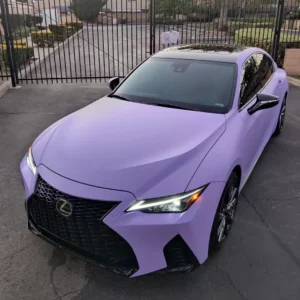
Give your vehicle a fresh, new look with color change wraps from California Car Pros in Palmdale, CA. Discover how our custom wraps can transform your car's appearance while protecting its original paint.
Product Brand: Car Pros
5
Pros
- Give your vehicle a fresh, new look with color change wraps from California Car Pros in Palmdale, CA. Discover how our custom wraps can transform your car's appearance while protecting its original paint.
