

PPF vs Ceramic Coating for Antelope Valley Highway Miles comes down to what you want to protect your vehicle from. Paint protection film creates a physical layer over painted panels and is made to help guard against rock chips, scratches, bug damage, road tar, and roadway debris. Ceramic coating creates a cured surface layer that can add gloss, slickness, water beading, and easier washing, but it does not provide the same level of rock-chip protection as paint protection film.
For drivers putting regular miles on Highway 14 between Palmdale, CA and Lancaster, CA, that difference matters. The front bumper, hood, fenders, mirrors, rocker areas, and other painted surfaces face repeated contact with sand, small stones, insects, dust, and debris thrown from traffic.
California Car Pros provides professional paint protection film and ceramic coating for drivers in Palmdale, CA, Lancaster, CA, and nearby Antelope Valley communities. Our certified installers work with California Car Pro PPF and ceramic coating products, and our products and services carry warranties.
The better choice depends on your goal. If rock chips and road impacts are your biggest concern, PPF deserves close attention. If you care more about gloss, water behavior, and making regular washing easier, ceramic coating may fit your needs. Many highway drivers also choose both because the two products do different jobs.
Table of Contents
- PPF vs Ceramic Coating for Antelope Valley Highway Miles
- What Does Paint Protection Film Do?
- What Does Ceramic Coating Do?
- Which Is Better for Rock Chips?
- Which Is Better for Highway Bugs and Road Debris?
- Which Is Better for Sand and Dust?
- Which Makes Washing Easier?
- Which Is Better for Light Scratches?
- How PPF and Ceramic Coating Handle Antelope Valley Sun
- PPF vs Ceramic Coating for Highway 14 Commuters
- Should You Put Ceramic Coating Over PPF?
- Partial Front PPF Plus Ceramic Coating
- Full Front PPF Plus Ceramic Coating
- Full Body PPF vs Ceramic Coating
- PPF vs Ceramic Coating for Tesla Owners
- Which Choice Fits Your Driving Habits?
- Schedule PPF or Ceramic Coating in the Antelope Valley
- Frequently Asked Questions
- Sources
PPF vs Ceramic Coating for Antelope Valley Highway Miles
PPF vs Ceramic Coating for Antelope Valley Highway Miles is easier to understand when you separate physical impact protection from surface behavior.
Paint protection film is a clear urethane film installed over painted vehicle surfaces.
3M states that its automotive PPF is designed to help protect paint from stone chips, scratches, bug damage, road tar, stains, and outdoor weather exposure.
SunTek also states that its PPF helps guard against rock chips, surface scratches, bird droppings, and other road debris.
Ceramic coating is different.
California Car Pros describes ceramic coating as a way to add gloss, slickness, water beading, and easier cleaning to exterior surfaces.
SunTek directly addresses the comparison by stating that ceramic coatings do not provide the same level of rock-chip and surface protection as its paint protection film.
That difference should guide your decision.
If you regularly follow traffic on Highway 14 and your main concern is stone impacts on the nose of the vehicle, PPF is the product made for that type of contact.

If washing dust and grime off the vehicle is your bigger concern, ceramic coating may have more appeal.
What Does Paint Protection Film Do?
Paint protection film places a physical film over your existing paint.
When a small piece of gravel strikes a covered bumper, it contacts the film before reaching the clear coat beneath it.
PPF can be installed on selected areas or across most painted body panels.
Common PPF areas include:
- Front bumper
- Hood
- Front fenders
- Side mirrors
- Rocker panels
- Lower doors
- Rear quarter panels
- Rear bumper
- Trunk or hatch
California Car Pros offers PPF for drivers who want anything from front-end coverage to broader vehicle protection.
For an Antelope Valley commuter, the front end is often the first area to consider because it faces traffic during every highway trip.
What Does Ceramic Coating Do?
Ceramic coating is applied as a liquid and cures on the treated surface.
California Car Pros describes its ceramic coating service as providing gloss, slickness, water-repelling behavior, and easier vehicle cleaning.
A coated surface can make it easier to wash away dirt and road grime because contaminants may not cling as stubbornly to the treated finish.
This can be useful around Palmdale, CA and Lancaster, CA, where dust and dry road conditions are common parts of vehicle ownership.
Ceramic coating should not be mistaken for clear armor.
It does not add a thick urethane layer between your paint and a flying stone.
If a rock hits a ceramic-coated hood at highway speed, the coating should not be expected to stop the impact the way PPF is designed to.
Which Is Better for Rock Chips?
PPF is the stronger choice when comparing PPF vs Ceramic Coating for Antelope Valley Highway Miles based on rock-chip protection.
3M says Paint Protection Film Series 100 is designed to protect automotive paint from stone chips and scratches.
SunTek makes the distinction even clearer. Its PPF FAQ says ceramic coatings do not offer the same level of rock-chip and surface protection as SunTek PPF.
That matters on roads where your vehicle may spend hours behind other cars, trucks, and SUVs.
Tires can throw small stones and debris backward.
The front bumper usually receives the first contact.
The hood and front fenders can also take impacts.
For a high-mileage commuter who wants physical front-end protection, full front PPF is worth considering.
Which Is Better for Highway Bugs and Road Debris?
PPF also has an advantage when the issue involves direct physical contact.
Highway driving exposes the front end to insects, grit, road tar, stones, and debris.
3M lists bug damage and road tar among the hazards its PPF is designed to help protect against.
Ceramic coating can still be helpful.
Its slick surface can make residue easier to clean compared with an untreated finish.
This creates two different benefits.
PPF gives the painted panel a physical film layer.
Ceramic coating can make regular cleaning less difficult.
If your vehicle sees lots of highway miles, using PPF on forward-facing panels and coating compatible surfaces can give you both types of help.
Which Is Better for Sand and Dust?
Antelope Valley drivers know how quickly a clean vehicle can collect dust.
Ceramic coating can be useful for routine cleaning because of its slick and water-repelling surface.
California Car Pros states that ceramic coating can help reduce dust and dirt buildup while making the exterior easier to wash.
PPF helps in a different way.
If sand or road grit physically strikes a covered painted surface while you are driving, the film sits between that contact and the paint.
Neither product means you should wipe a dusty vehicle with a dry towel.
Dragging dust or sand across paint, coating, or film can create marks.
Rinse loose material away before touching the surface with wash media.
Which Makes Washing Easier?
Ceramic coating has a clear role when easier washing is the goal.
California Car Pros describes ceramic coating as adding slickness and water-repelling behavior.
SunTek’s Reaction PPF also shows that some newer film products combine PPF with easy-clean surface traits, but product features vary by manufacturer.
If you are comparing standard PPF with a ceramic coating, ceramic coating is usually the product chosen for water beading, slickness, and easier surface cleaning.
That does not mean a PPF-covered car is hard to wash.
PPF can be washed normally when you follow the film maker’s and installer’s care directions.
A coating applied over compatible PPF can also add slick surface behavior.
Which Is Better for Light Scratches?
Some PPF products use self-healing top coats.
3M states that its Paint Protection Film Series 100 uses self-healing technology that can make minor scratches or marks disappear when heat reaches the film surface.
SunTek also says its PPF top coat can repair many light scratches with warmth from sunlight, a warm body panel, engine heat, or warm water.
This applies to light scratches in the film itself.
It does not mean PPF repairs damaged paint, dents, deep cuts, or major impacts.
Ceramic coating can help reduce direct contact with contaminants during washing because of its slick surface, but it should not be treated as a self-healing impact film.
When comparing PPF vs Ceramic Coating for Antelope Valley Highway Miles, PPF is the better match when physical surface marks concern you.
How PPF and Ceramic Coating Handle Antelope Valley Sun
Palmdale, CA and Lancaster, CA vehicles spend plenty of time under strong inland Southern California sun.
Both products are made for exterior automotive use, but they serve different purposes.
3M says its PPF is designed to handle outdoor weather exposure, including harsh UV radiation.
California Car Pros describes ceramic coating as helping protect exterior paint from fading associated with sun exposure while adding gloss and water-repelling behavior.
Neither service means you can stop caring for your vehicle.
Outdoor parking, heat, washing habits, road mileage, and contamination can affect how any exterior product ages.
Garaged vehicles may see different service life than vehicles parked outside every day.
PPF vs Ceramic Coating for Highway 14 Commuters
PPF vs Ceramic Coating for Antelope Valley Highway Miles becomes especially relevant for people who commute between Palmdale, CA and Lancaster, CA.
Repeated highway use exposes the same front panels again and again.
Consider what happens during a normal week.
You may follow trucks.
You may pass construction areas.
You may encounter loose gravel.
Bugs hit the bumper and hood.
Dust settles over the vehicle.
Road grime collects along lower panels.
If your concern is preventing as much direct impact on the front paint as possible, PPF is the stronger starting point.
If the car already has paint in good condition and you mainly want more gloss and easier cleaning, ceramic coating can make sense.
If you want both physical protection and easier care, the two services can be paired when installed in the correct order.
Should You Put Ceramic Coating Over PPF?
Yes, depending on the products involved.
3M states that PPF should not be installed over ceramic coating unless that ceramic coating is professionally removed first.
3M also says ceramic coating can be applied on top of its PPF.
That order matters.
If you know you want both services, discuss the full plan before work begins.
The general sequence is:
- Inspect and clean the paint.
- Perform needed paint preparation.
- Install PPF on the selected panels.
- Allow the installation process to proceed according to product directions.
- Apply a compatible ceramic coating where planned.

Your installer should determine the procedure based on the exact products being used.
Partial Front PPF Plus Ceramic Coating
A partial front PPF package can suit drivers who want impact protection focused on selected front areas.
The rest of the painted vehicle can then be considered for ceramic coating.
This combination may appeal to drivers who:
- Want protection on the front bumper
- Want film on part of the hood
- Want selected fender coverage
- Want easier cleaning across the vehicle
- Do not want full front or full body PPF
One tradeoff is that partial hood PPF may leave a film edge across the panel.
If that visual line bothers you, full front coverage may be a better fit.
Full Front PPF Plus Ceramic Coating
For many high-mileage Antelope Valley drivers, full front PPF plus ceramic coating can make sense.
Full front PPF places physical protection across the areas facing traffic.
Depending on the selected package, that may include:
- Front bumper
- Full hood
- Full front fenders
- Mirrors
- Other selected front areas
Ceramic coating can then be discussed for compatible PPF surfaces and uncovered painted panels.
This approach concentrates PPF where highway impacts are most common while using ceramic coating for gloss, slickness, water behavior, and easier washing elsewhere.
For someone driving Highway 14 several days a week, this can offer a practical mix of the two services.
Full Body PPF vs Ceramic Coating
Full body PPF and ceramic coating are very different levels of exterior treatment.
Full body PPF places physical film across painted panels from the front of the vehicle to the rear.
Ceramic coating does not add that same physical impact layer.
Full body PPF may appeal to:
- New-car owners
- Performance car owners
- Tesla owners
- Luxury vehicle owners
- Drivers keeping their cars for many years
- Owners who want broad paint protection
Ceramic coating may appeal more to someone whose biggest goals are gloss, slickness, water beading, and easier routine washing.
The decision should match how much physical protection you want.
PPF vs Ceramic Coating for Tesla Owners
Tesla owners putting regular Antelope Valley highway miles on their cars face the same stones, bugs, sand, and debris as other drivers.
California Car Pros provides dedicated Tesla paint protection film and Tesla ceramic coating services.
A Tesla owner who worries about front-end impacts may start with PPF.
An owner more concerned with gloss and routine cleaning may start with ceramic coating.
Owners who want both can ask about PPF on high-contact panels with compatible coating added as part of the overall protection plan.
California Car Pros also provides Tesla window tint and Tesla detailing for owners looking at other vehicle-care services.
Which Choice Fits Your Driving Habits?
When comparing PPF vs Ceramic Coating for Antelope Valley Highway Miles, ask yourself what bothers you most about driving in the area.
Choose PPF When:
Your main concern is rock chips.
You regularly drive Highway 14.
You want a physical layer over your paint.
You worry about small stones and roadway debris.
You want self-healing film properties for light surface marks where supported by the chosen film.
You want front-end or full-body protection.
Choose Ceramic Coating When:
Your main goals involve gloss.
You want a slicker exterior surface.
You care about water beading.
You want routine washing to be easier.
You want help dealing with road grime and dust during normal cleaning.
Consider Both When:
You want physical protection on high-contact panels and easier cleaning across the vehicle.
You put a lot of miles on your car.
You plan to keep the vehicle for years.
You want PPF on the front while also treating uncovered paint.
You are starting with a new or well-kept vehicle and want a broader care plan.
Schedule PPF or Ceramic Coating in the Antelope Valley
PPF vs Ceramic Coating for Antelope Valley Highway Miles does not have one answer for every vehicle.
PPF is made for physical protection against hazards such as stone chips, scratches, bugs, and road debris.
Ceramic coating is better suited to drivers looking for gloss, slickness, water-repelling behavior, and easier cleaning.
For many regular Highway 14 commuters, PPF on the front of the vehicle is worth considering because that is where repeated road impacts are most likely to occur.
Ceramic coating can then be considered for compatible protected and unprotected surfaces when you want easier exterior care.
California Car Pros serves drivers in Palmdale, CA, Lancaster, CA, and nearby Antelope Valley communities.
Our Lancaster shop is located at:
California Car Pros
43235 Gingham Ave #108
Lancaster, CA 93535
Phone: (661) 744-5533
You can also visit our Lancaster location or Palmdale location.
Call (661) 744-5533 or contact California Car Pros online to discuss PPF, ceramic coating, or a combination suited to your vehicle.
Frequently Asked Questions
1. Is PPF or ceramic coating better for Highway 14 driving?
PPF is the stronger choice if your main concern is rock chips, small stones, scratches, bugs, and other direct road contact. Ceramic coating is more suited to gloss, water behavior, slickness, and easier cleaning. Highway drivers may also consider using both.
2. Does ceramic coating stop rock chips?
Ceramic coating should not be treated as rock-chip protection. SunTek states that ceramic coatings do not provide the same level of rock-chip and surface protection as its PPF. Paint protection film is the product designed to place a physical layer over painted panels.
3. Does PPF make a vehicle easier to wash?
PPF can be washed using proper care methods, but ceramic coating is more closely associated with slickness, water beading, and easier cleaning. Some newer PPF products also have easy-clean surface technology. Features vary by film.
4. Can ceramic coating go over PPF?
Yes, when the products are compatible. 3M states that ceramic coating can be applied over its PPF. It also says PPF should not be installed over ceramic coating unless the existing coating is professionally removed first.
5. Is full front PPF worth considering for an Antelope Valley commuter?
Full front PPF can be a good fit for drivers who regularly travel between Palmdale, CA and Lancaster, CA and want physical protection concentrated on the bumper, hood, fenders, mirrors, and other front-facing areas.
6. Should a new Tesla get PPF or ceramic coating?
That depends on the owner’s goals. PPF fits drivers concerned about rock chips and road impacts. Ceramic coating fits drivers focused on gloss and easier washing. A Tesla owner can also choose PPF on high-contact panels and add a compatible ceramic coating.
7. Where can I get PPF or ceramic coating in the Antelope Valley?
California Car Pros provides paint protection film and ceramic coating for drivers in Palmdale, CA, Lancaster, CA, and nearby communities. Call (661) 744-5533 or use the contact page to schedule an appointment.
Sources
3M Paint Protection Film Series 100
Publisher: 3M
Publication Date: No publication date listed
Used for information about rock chips, scratches, bug damage, road tar, outdoor weather exposure, self-healing film, and professional PPF installation.
3M Auto Films Support
Publisher: 3M
Publication Date: No publication date listed
Used for installation order information concerning PPF and ceramic coating.
SunTek Paint Protection Film FAQ
Publisher: SunTek
Publication Date: No publication date listed
Used for the comparison between ceramic coatings and PPF for rock-chip protection and for self-healing PPF information.
SunTek Paint Protection Film
Publisher: SunTek
Publication Date: No publication date listed
Used for information about road debris, rock chips, surface scratches, and PPF protection.
California Car Pros Paint Protection Film
Publisher: California Car Pros
Publication Date: No publication date listed
Used for California Car Pros PPF service information.
California Car Pros Ceramic Coating
Publisher: California Car Pros
Publication Date: No publication date listed
Used for California Car Pros ceramic coating service information.
California Car Pros Contact Page
Publisher: California Car Pros
Publication Date: No publication date listed
Used for shop contact and appointment information.
Transform Your Car's Appearance: Color Change Wraps in Palmdale, CA
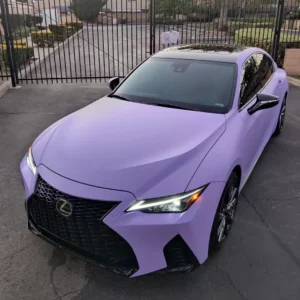
Give your vehicle a fresh, new look with color change wraps from California Car Pros in Palmdale, CA. Discover how our custom wraps can transform your car's appearance while protecting its original paint.
Product Brand: Car Pros
5
Pros
- Give your vehicle a fresh, new look with color change wraps from California Car Pros in Palmdale, CA. Discover how our custom wraps can transform your car's appearance while protecting its original paint.
